
Layers of The Mission: A Celebration of Memory and Resilience
Rolling Memory: The Art and Legacy of Lowriders in the Bay Area
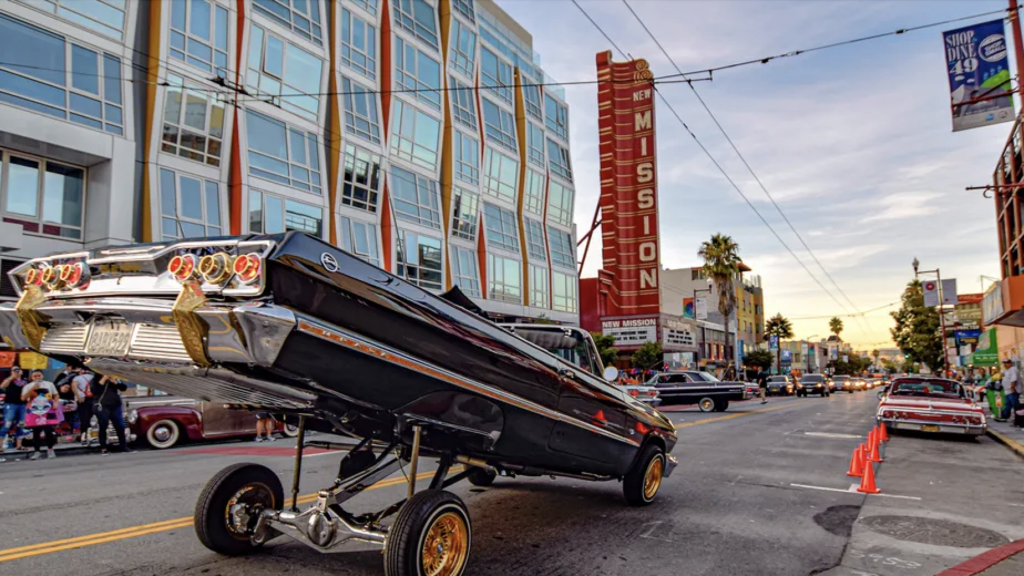
Lowrider culture in the Bay Area emerged from the creativity and pride of Mexican American veterans in the 1940s, who transformed their cars into powerful expressions of identity, resistance, and imagination. By the 1970s, the Mission District had become a vibrant center of cruising—Friday and Saturday nights filled with families, music, and cars riding low and slow from 16th Street to the Excelsior.
When police tried to suppress lowriding, the community fought back. Leading the movement was Roberto Hernández, founder of the San Francisco Lowrider Council, whose story is now part of the Mission’s living history. Arrested more than 113 times for simply driving his own car in his own neighborhood, Roberto organized students, lawyers, and neighbors to challenge police discrimination and took the case to federal court. He rejected monetary settlements, insisting the fight was about dignity: the right to cruise freely in your Impala.
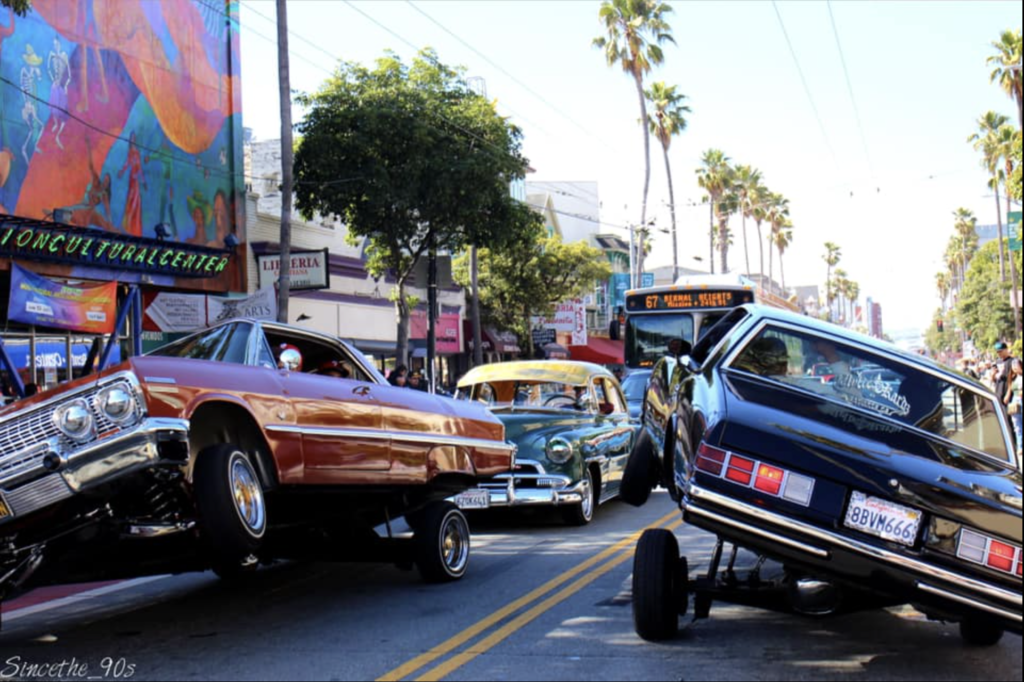
This struggle led to major reforms—officers were removed from their posts, policies changed, and the community gained a vital space: La Raza Park (Potrero del Sol), a gathering place where people could celebrate and cruise without harassment. San Francisco became a model for other cities such as Sacramento and Sonoma, which later passed laws protecting the right to cruise without discrimination.
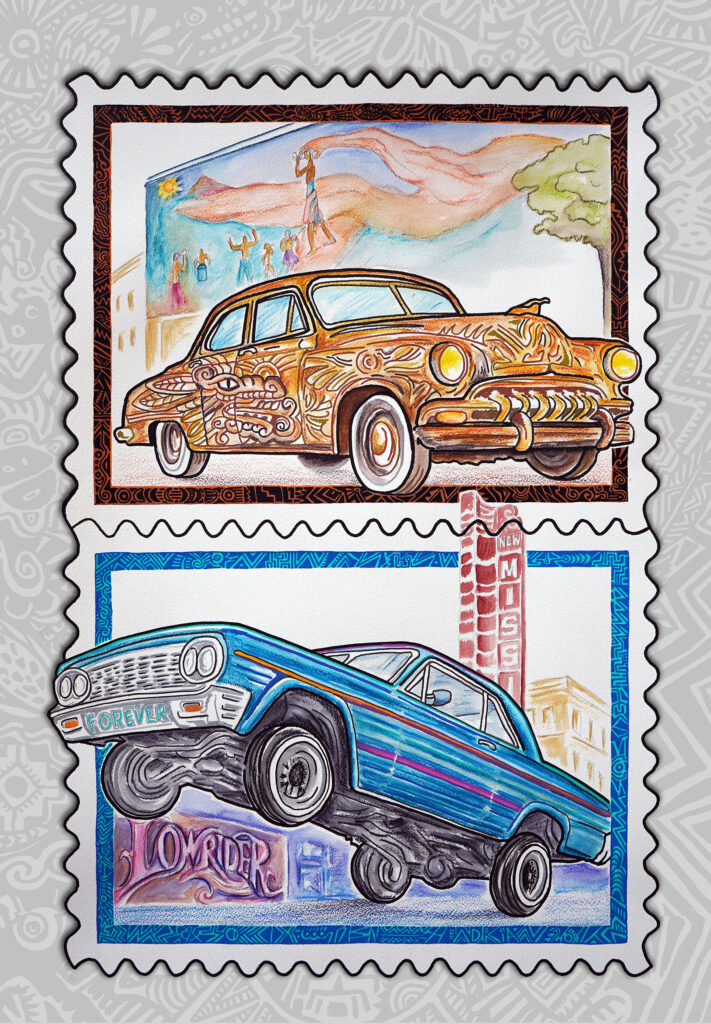
Today, lowriders continue to roll as moving archives of memory, beauty, and cultural pride. Like a Forever stamp, this tradition belongs to the community—an enduring symbol of creativity, resilience, and collective identity.
As Rebecca Solnit reminds us, history is not only written in books; it is carried forward by the everyday actions, stories, and imaginative practices of a community. Lowriding, in this sense, is also a way of writing history—rolling through the streets one night at a time, keeping memory alive through movement, artistry, and presence.
This image, designed as a Forever stamp, honors the idea that lowrider culture is forever—a living legacy the community continues to protect, celebrate, and pass on. In the top stamp, the Mission Cultural Center for Latino Arts stands proudly, along with the historic mural by Carlos Loarca, Betsie Miller-Kusz, and Manuel Villamor, reminding us that the Mission is a neighborhood where murals carry ancestral and contemporary stories. In the lower stamp, the iconic New Mission Theatre appears as a witness to decades of cultural evolution.
- En Español
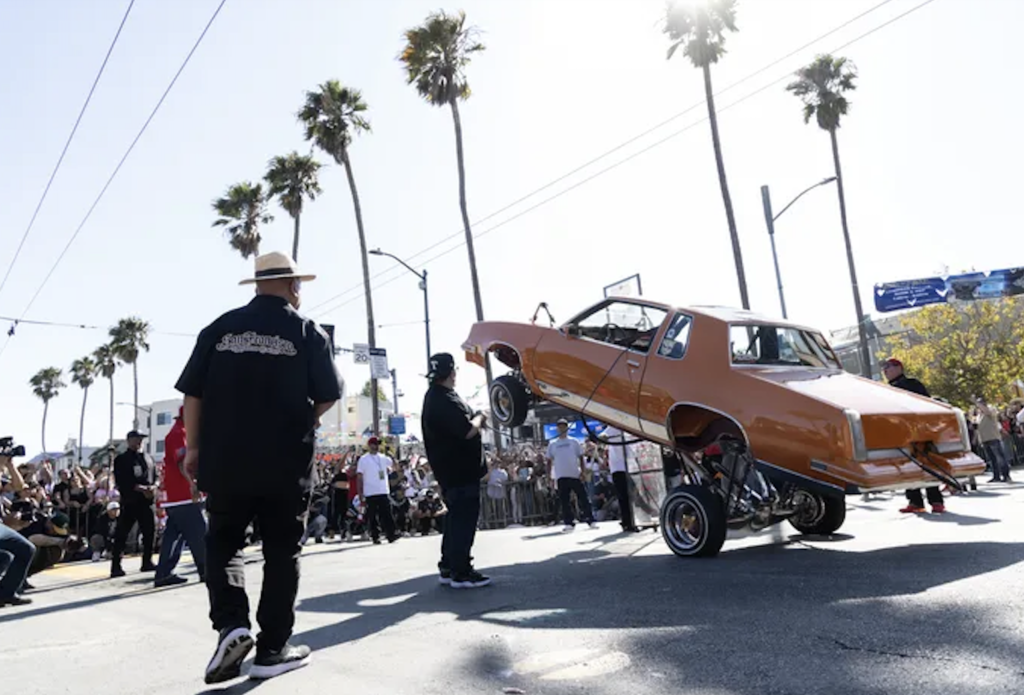
Memoria Rodante: El Arte y el Legado de los Lowriders en el Área de la Bahía
La cultura lowrider en el Área de la Bahía nació de la creatividad y el orgullo de veteranos mexicoamericanos en los años 40, quienes transformaron sus autos en poderosas expresiones de identidad, resistencia e imaginación. Para los años 70, el Distrito de la Misión se había convertido en un vibrante centro de cruising —noches de viernes y sábado llenas de familias, música y autos bajitos rodando despacio desde la Calle 16 hasta el Excelsior.
Cuando la policía intentó reprimir el lowriding, la comunidad respondió con fuerza. Al frente del movimiento estuvo Roberto Hernández, fundador del San Francisco Lowrider Council, cuya historia hoy forma parte de la memoria viva de la Misión. Arrestado más de 113 veces por simplemente manejar su propio auto en su propio barrio, Roberto organizó a estudiantes, abogados y vecinos para desafiar la discriminación policiaca y llevó el caso a la corte federal. Rechazó compensaciones económicas, insistiendo en que la lucha era por la dignidad: el derecho a cruisear libremente en tu Impala.
Esta lucha logró reformas importantes: oficiales fueron removidos de sus cargos, las políticas cambiaron y la comunidad ganó un espacio vital: La Raza Park (Potrero del Sol), un lugar para celebrar y cruisear sin acoso. San Francisco se convirtió en modelo para ciudades como Sacramento y Sonoma, que después aprobaron leyes para proteger el derecho a cruising sin discriminación.
Hoy, los lowriders siguen rodando como archivos vivientes de memoria, belleza y orgullo cultural. Como una estampilla Forever, esta tradición pertenece a la comunidad: un símbolo perdurable de creatividad, resiliencia e identidad colectiva.
Como nos recuerda Rebecca Solnit, la historia no vive sólo en los libros; también se escribe a través de las acciones cotidianas, los gestos imaginativos y las prácticas comunitarias. En este sentido, el lowriding es también una forma de escribir la historia—rodando por las calles, noche tras noche, manteniendo la memoria viva mediante el movimiento, el arte y la presencia.
Esta imagen, diseñada como una estampilla Forever, honra la idea de que la cultura lowrider es para siempre—un legado vivo que la comunidad protege, celebra y transmite. En la estampilla superior aparece el Mission Cultural Center for Latino Arts, junto al mural histórico de Carlos Loarca, Betsie Miller-Kusz y Manuel Villamor, recordándonos que la Misión es un barrio donde los murales guardan historias ancestrales y contemporáneas. En la estampilla inferior se ve el icónico New Mission Theatre, testigo de décadas de evolución cultural.
Articles:
NPN: https://www.npr.org/2021/10/13/1045255052/san-francisco-lowriders-police
USA Today: bit.ly/4i4KoYx
CBS, interview with Roberto Hernandez